
How to Calculate Yardage: A Volume Takeoff for Soil, Mulch, and Gravel
Convert measured area and depth to cubic yards, keep irregular zones in a simple ledger, and use supplier-specific weight and delivery information separately.
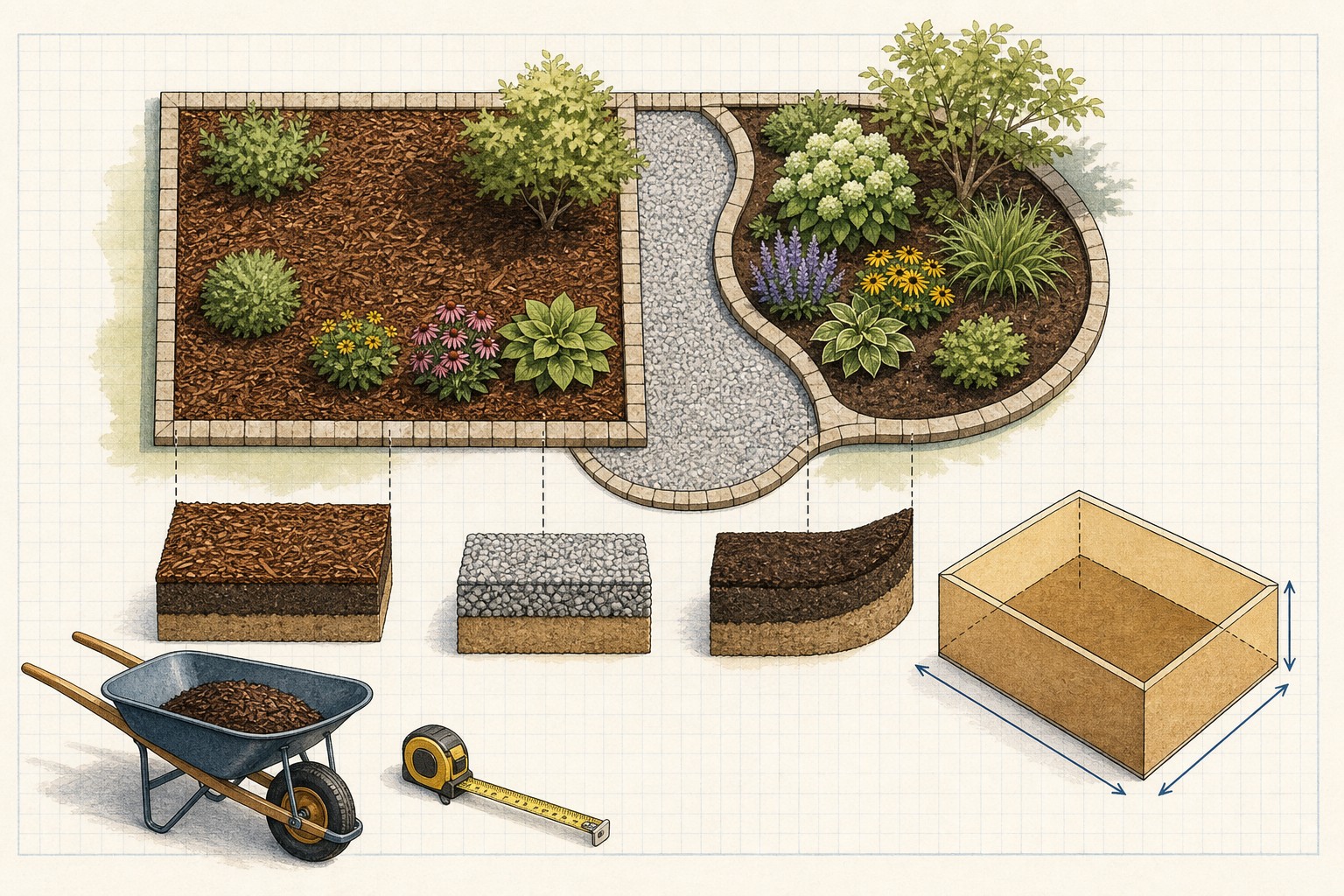
In a landscape or material order, a yard usually means a cubic yard: a volume of 27 cubic feet. The reliable method is to calculate volume from measured length, width, and finished depth, then keep material weight, product coverage, and delivery rules as separate supplier inputs. The Cubic Yard Calculator repeats the arithmetic, but it cannot choose the right material or depth for a site.
Volume and weight are different questions. A cubic-yard calculation tells you how much space a material occupies. It does not establish how much that material weighs, which delivery truck is appropriate, or which depth is right for your plants, drainage, or construction project.
The standard cubic-yard formula
Convert depth to feet, calculate cubic feet, then divide by 27.
The final conversion is exact. A mistake usually comes from mixing inches and feet, estimating an irregular shape as one rectangle, or treating a supplier's weight conversion as universal.
Worked example: a rectangular mulch bed
Assume a bed 30 ft long and 15 ft wide, with a chosen final depth of 3 in.
- Depth in feet: 3 ÷ 12 = 0.25 ft.
- Volume in cubic feet: 30 × 15 × 0.25 = 112.5 ft³.
- Volume in cubic yards: 112.5 ÷ 27 = 4.17 yd³.
The USDA NRCS coverage relationship gives the same result when expressed as square feet multiplied by depth in inches and divided by 324: 450 × 3 ÷ 324 = 4.17 yd³. This is a unit conversion, not a recommendation that every bed should be three inches deep. UMN Extension advises selecting material and depth for the landscape purpose and plant needs.
Use a ledger for irregular beds
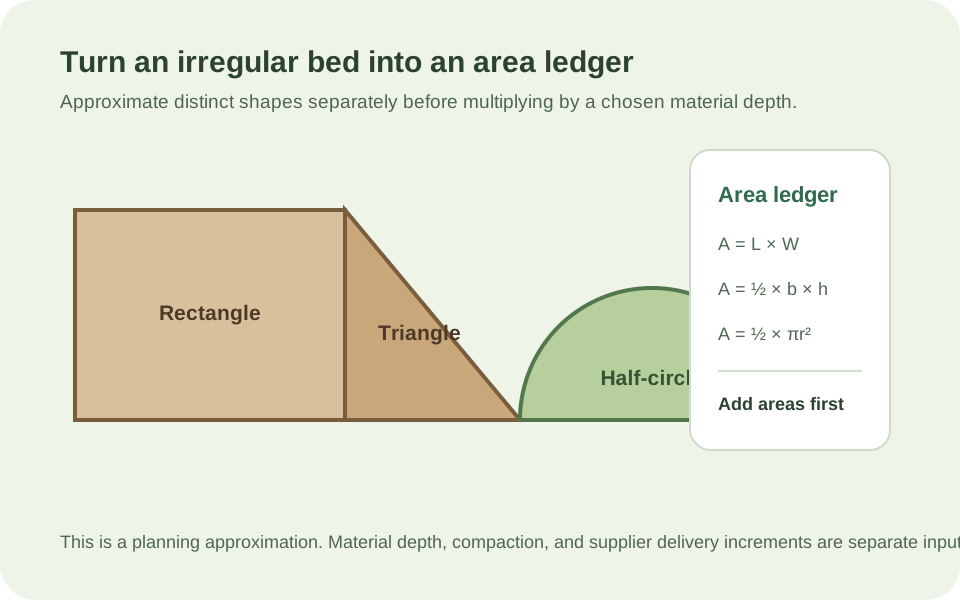
Break a complicated area into shapes you can measure. Include a small sketch and do not combine zones with different depths. This produces an original project record that is more useful than a generic coverage chart.
| Zone | Shape and dimensions | Depth | Cubic-yard calculation |
|---|---|---|---|
| A | Rectangle: 30 ft × 15 ft | 3 in | 4.17 yd³ |
| B | Triangle: base × height ÷ 2 | Record separately | Calculate separately |
| C | Circle: π × radius² | Record separately | Calculate separately |
What to do with rounded quantities
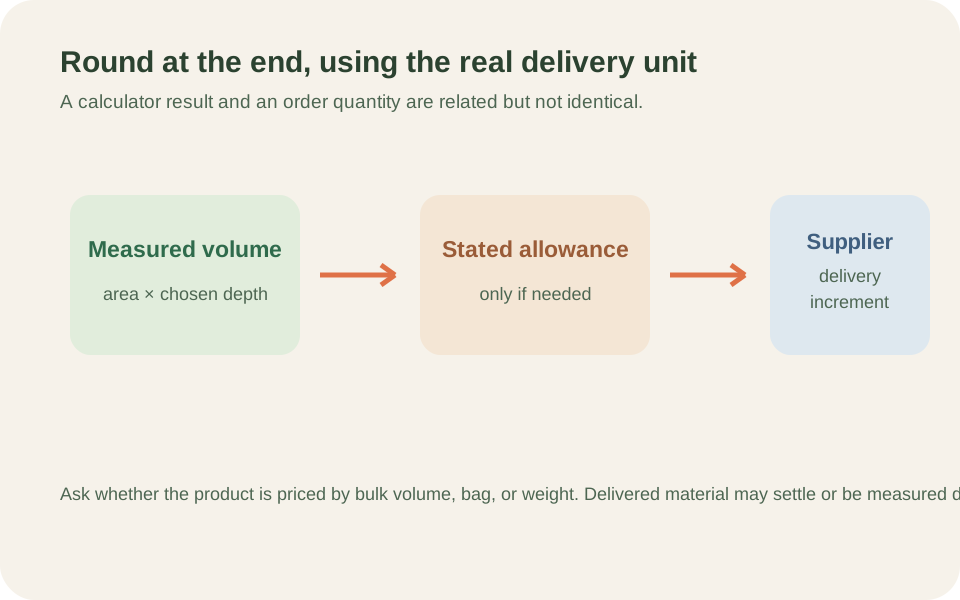
Calculate a net volume first. Then make the rounding decision visible. A supplier may sell a material in fixed increments, by a truck minimum, in bag sizes, or by a stated weight. Record each step:
- Net measured volume.
- Known extra zones, calculated separately.
- Any allowance and why it was selected.
- Supplier packaging or order increment.
- Final quoted quantity.
This avoids a misleading statement such as one yard always weighs X
or one truck always holds Y yards
. Those values vary by material, moisture, truck configuration, legal load limits, supplier policy, and site access.
Material-specific checks
- Mulch: use the selected material and landscape purpose to choose depth; keep mulch away from stems and trunks as appropriate for the planting.
- Topsoil or fill: confirm whether the supplier describes loose, screened, amended, or compacted material. Do not use one density or settlement value for all products.
- Gravel: calculate volume first, then use the supplier's stated unit weight for the quoted aggregate. See the Gravel Calculator for a separate tons calculation.
- Bagged products: divide the required cubic feet by the yield printed for the exact package. Bag size is not a substitute for stated yield.
Verification pass: calculate one zone two ways
Use one uncomplicated zone as an arithmetic check before you add the rest of the ledger. The 30 ft by 15 ft rectangle in the example has 450 sq ft of area. At a finished depth of 3 inches, its volume is 30 × 15 × (3 ÷ 12) = 112.5 cubic feet; 112.5 ÷ 27 = 4.17 cubic yards. The same result comes from the square-foot shortcut: 450 × 3 ÷ 324 = 4.17 cubic yards.
The two calculations use the same measurement expressed in different units. They should agree apart from rounding. If they do not, check whether depth was entered in inches in one place and feet in another, whether the dimensions describe finished coverage or an excavation, and whether the zone was accidentally counted twice. Do that check before adding extra zones or an allowance, because an allowance cannot correct a unit error.
Use a measurement ledger, not a single mysterious total
For an irregular bed, give each zone a name, sketch it, list the dimensions and depth, and retain the net cubic-yard result. A rectangle around the entire bed may be a useful upper bound, but it is not a substitute for measuring the spaces that will not receive material. Separate areas with different depths; combining them hides the decision that matters most to the material quantity.
When the supplier quotation arrives, preserve the net takeoff and add the packaging or delivery rounding as a separate line. That shows whether the final order changed because of a documented supplier constraint, an intentionally selected allowance, or a measurement correction. It also gives you a clean way to revise only the affected zone if the design changes.
Decision point: volume is not a material specification
A cubic-yard total answers how much space the selected material would occupy at the selected depth. It does not identify the right mulch type, topsoil blend, aggregate, compaction method, drainage detail, or delivery vehicle for a property. Confirm those choices with the plan, supplier, or responsible project professional before placing an order. If the material description changes from screened soil to amended soil, from loose aggregate to a compacted layer, or from one bagged product to another, treat that as a new input and repeat the takeoff rather than reusing a generic conversion.
Use the right calculator for the next question
Use the Mulch Calculator, Topsoil Calculator, or Fill Dirt Calculator after you have selected a material and depth. These tools help make a takeoff repeatable. They do not replace a site plan, supplier specification, planting advice, drainage design, or a delivery-access check.
Sources and assumptions
These links support the specific material, product, or reference points used in this guide. Local conditions and supplier specifications can still vary.
- NIST Handbook 44, Appendix C: General Tables of Units of Measurement Supports the exact conversion of 27 cubic feet per cubic yard.
- USDA NRCS: Mulching in Your Backyard Provides a transparent square-footage/depth-to-cubic-yard coverage relationship for mulch planning.
- University of Minnesota Extension: Mulching for Soil and Garden Health Explains that material selection and depth depend on the landscape purpose and the material used.