Finance Calculators
Free finance calculators for exploring borrowing, saving, retirement, pay, taxes, and cash-flow scenarios. Every result is an educational estimate: use the page-level method, assumptions, and source notes to understand the math before relying on it.
How to Use a Finance Estimate Responsibly
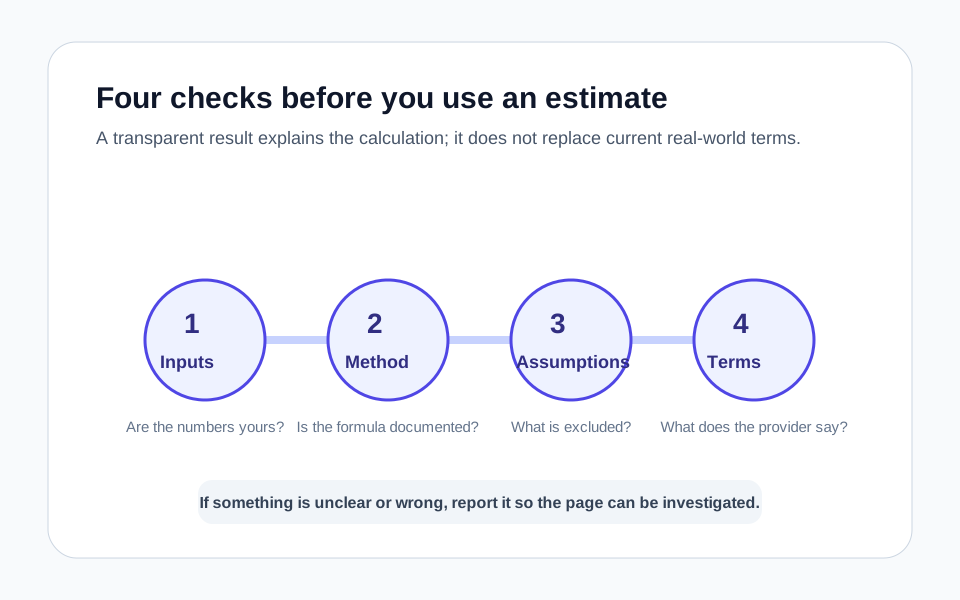
1. Enter the inputs that apply to you
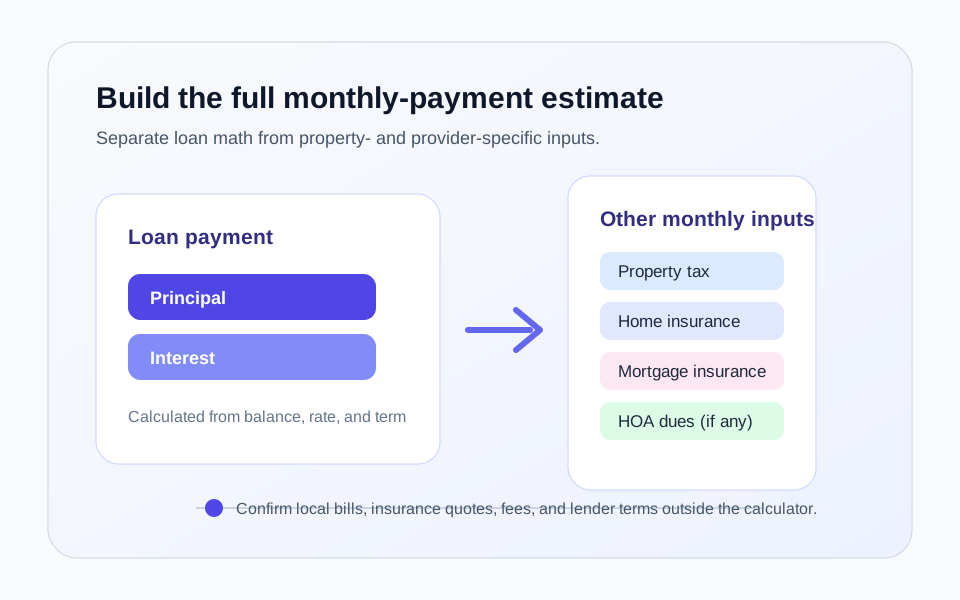
A useful estimate starts with the right inputs: balance, rate, term, payment frequency, fees, contributions, or taxes. For a home-payment scenario, keep principal and interest separate from local property tax, insurance, mortgage insurance, and HOA dues.
2. Check the method and limitations
A calculator can model the arithmetic it documents, but it may not include every provider rule, tax credit, local tax, insurance quote, fee, eligibility requirement, or personal circumstance. Open the method panel on each rewritten page before comparing scenarios.
3. Treat projections as scenarios, not promises
Interest rates, returns, inflation, income, taxes, and account rules can change. Test a range of inputs, then confirm current terms with the lender, employer, plan administrator, tax authority, or other relevant provider before acting.
4. Tell us when something needs checking
Each calculator includes a Report an issue route for calculation, source, wording, accessibility, or usability feedback. See our methodology, editorial policy, and corrections policy for how this work is documented and improved.
Mortgage and Home Loan Calculators Online
Build an input-driven payment scenario, compare loan terms, inspect an amortization schedule, and separate principal and interest from property taxes, insurance, mortgage insurance, and HOA dues when those inputs apply. The home-finance tools cover affordability, down-payment planning, refinancing, rent-versus-buy comparisons, home equity, and payoff scenarios.
A calculator can explain the arithmetic, not approve a loan or predict a lender’s final terms. Confirm property-specific taxes, insurance, mortgage-insurance rules, fees, and closing disclosures with the relevant provider before making a decision.
Auto Loan, Personal Loan, and Debt Payoff Tools
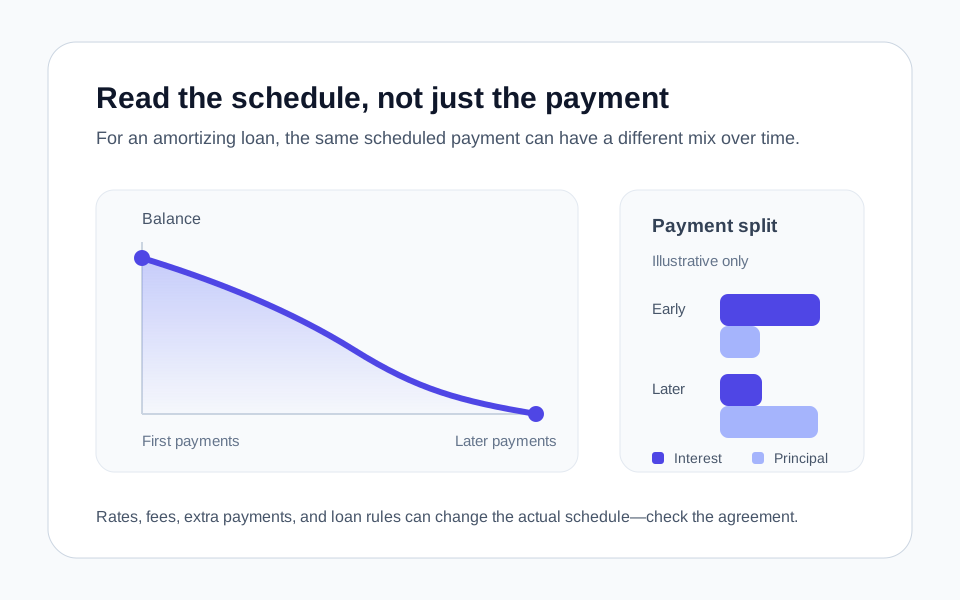
Compare payment schedules, APR scenarios, total interest, and payoff timing using the balances, rates, fees, and payment amounts you enter. The tools cover auto loans, general loans, credit-card payoff, amortization, simple interest, and debt payoff sequences.
A schedule makes the trade-offs visible, but does not replace a loan agreement or a credit decision. Check the lender’s rate, fees, payment rules, and any prepayment terms against the estimate before you sign or change a payment plan.
Investment, Retirement, and Savings Calculators
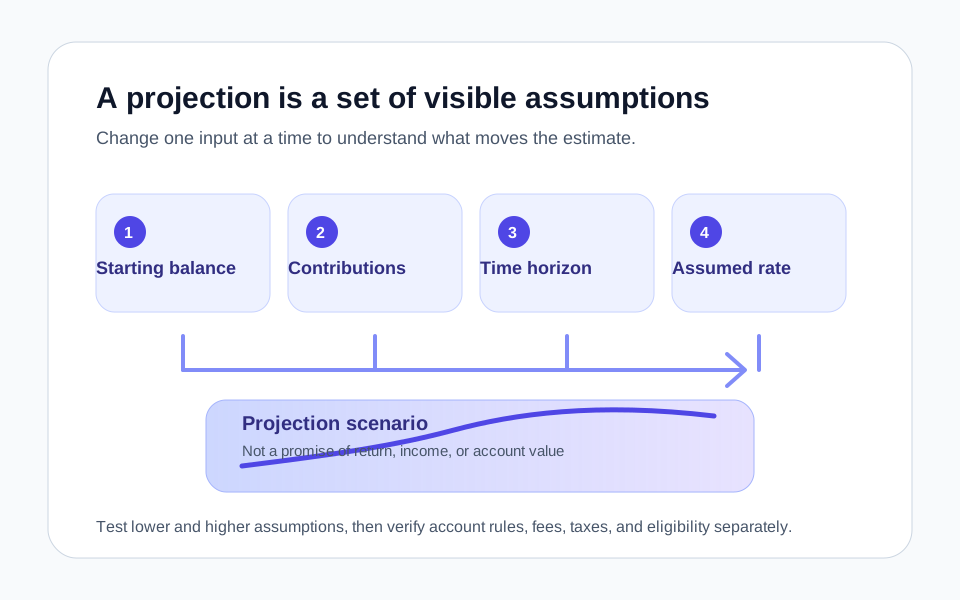
Explore the mechanics of compound growth, 401(k) contributions, retirement projections, CD yields, return on investment, inflation adjustments, and savings goals with the assumptions kept visible. Budget, net-worth, emergency-fund, and paycheck tools support the cash-flow side of the same planning exercise.
Projected returns, inflation, income, contribution amounts, and time horizons are assumptions—not predictions or recommendations. Use the method notes to test a range of inputs and confirm any plan, account, or tax rule with the relevant provider or qualified professional.
Finance Calculators That Show the Full Math
The Finance programme adds a page-level method, assumptions, limitations, and source notes to each calculator as it is verified. Each rewritten page also keeps an issue-report route beside the result so visitors can flag a calculation, source, wording, or accessibility problem.
These free tools are educational estimates. They do not provide financial, tax, legal, investment, or credit advice, and they should not be treated as a substitute for current provider terms or professional guidance.