Riprap Calculator
Estimate riprap for erosion control, slope protection, and drainage. Calculate project area, volume in cubic yards, weight in tons, the recommended stone class, filter fabric area, and total cost — without manual density conversions or class lookups.
Example Projects
Slope / Embankment
50 × 10 ft • Class II
Channel / Ditch
60 × 6 ft • Class I
Shoreline / Pond
40 × 12 ft • Class III
Culvert Outlet
20 × 15 ft • Class IV
Configure Riprap View Results
Riprap Estimate
View Calculation Breakdown
| Project area | 0 ft² |
| Placement depth | 0 ft |
| Volume (no waste) | 0 ft³ |
| Volume (with waste) | 0 ft³ |
| Volume in cubic yards | 0 yd³ |
| Volume in cubic meters | 0 m³ |
| Density used | 1.50 tons/yd³ |
| Riprap weight | 0 tons |
How this was calculated:
Everything behind the Riprap Calculator
Formulas, reference charts, and detailed answers — expand any section you need.
Riprap Class and Sizing Guide
Riprap is graded into classes by average stone size, and the right class depends on the water velocity or slope conditions it must resist. Larger classes need a thicker placement layer to stay stable. These defaults auto-fill in the calculator and can be edited.
| Application | Typical Riprap Class | Typical Thickness |
|---|---|---|
| Low flow drainage ditch | Class I (4 – 12 in) | 12 inches |
| Moderate slope / embankment | Class II (8 – 18 in) | 18 inches |
| Stream bank / high flow channel | Class III (12 – 24 in) | 24 inches |
| Culvert outlet / high velocity | Class IV (24 in +) | 30 inches or more |
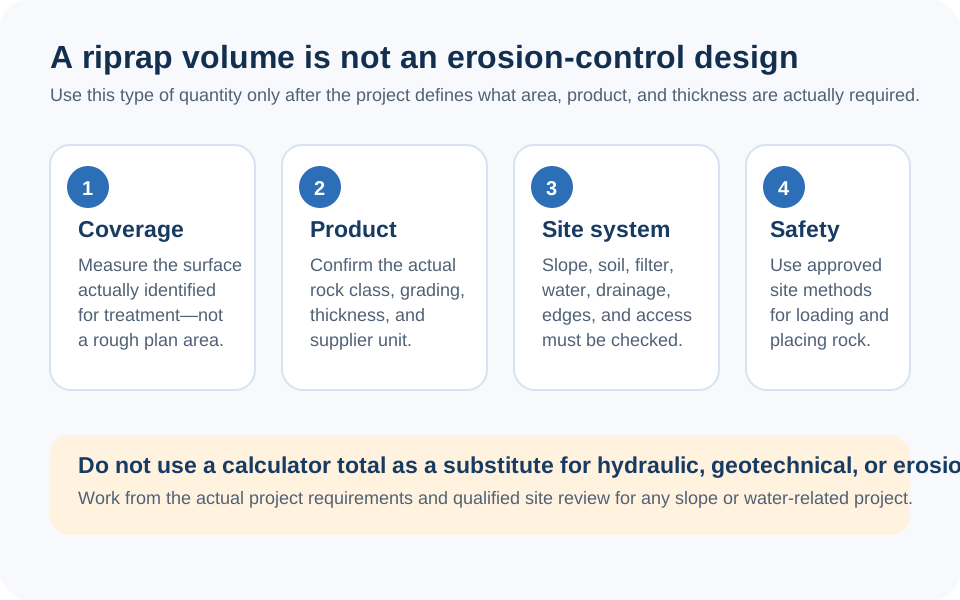
Riprap sizing for engineered drainage and flood control should always be verified against a site specific engineering design.
Riprap Tons per Cubic Yard Chart
Once you know the cubic yards required, multiply by the stone density to get tons. Most suppliers sell and price riprap by the ton. The chart below uses a density of 1.5 tons per cubic yard.
| Project Volume | Tons Needed (at 1.5 tons / yd³) |
|---|---|
| 10 cubic yards | 15 tons |
| 25 cubic yards | 37.5 tons |
| 50 cubic yards | 75 tons |
| 100 cubic yards | 150 tons |
Riprap Stone Density Chart
Riprap weight depends on the type of stone. Use these approximate figures (auto-filled by rock type in the calculator) or your supplier's exact value.
| Rock Type | Approx Tons / Cubic Yard |
|---|---|
| Sandstone | 1.4 |
| Limestone | 1.4 |
| Generic / Mixed | 1.5 |
| Granite | 1.6 |
| Basalt / Trap Rock | 1.7 |
Riprap Calculator: How Much Riprap Do I Need?
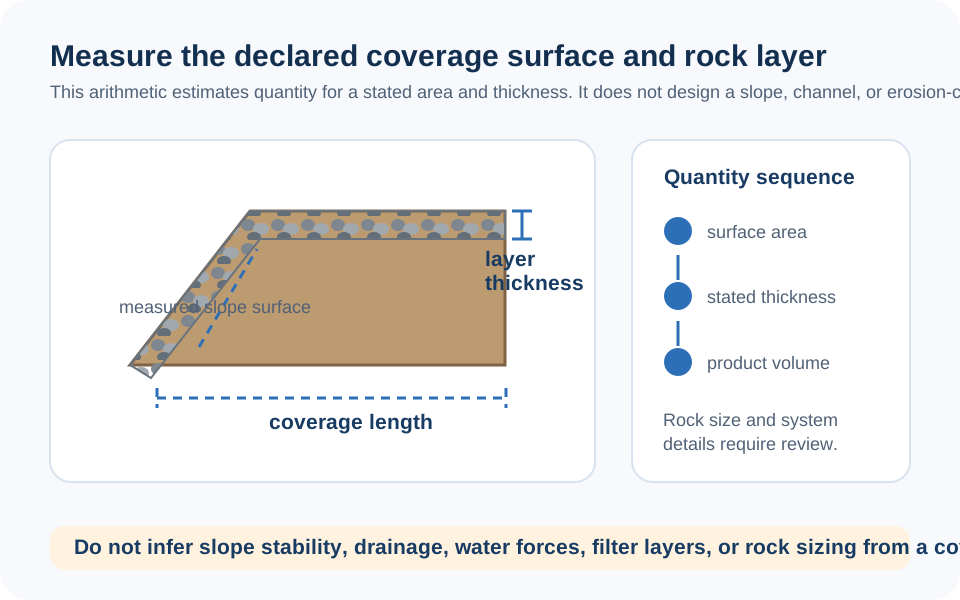
Riprap volume is calculated by multiplying project length, width, and placement depth, then converting that volume into tons using the density of the specific rock type used, typically 1.4 to 1.7 tons per cubic yard. Placement depth depends on riprap class, with larger stone classes requiring a thicker layer to remain stable against water flow or slope pressure.
For example, a 50 foot by 10 foot slope with an 18 inch (1.5 ft) placement depth requires 750 cubic feet, or about 27.8 cubic yards, roughly 39 to 47 tons depending on stone density. This calculator handles the conversions automatically, so you only need to enter dimensions and pick a stone class.
How Many Tons of Riprap Do I Need?
Tonnage depends on volume and material density. Once you know the cubic yards required for your project, multiply by the density of your chosen riprap type to get total tons. Most suppliers sell and price riprap by the ton rather than by volume, making this the most useful figure for ordering and budgeting.
Because a single cubic yard can weigh anywhere from 1.4 to 1.7 tons depending on the stone, using the correct density matters on larger jobs. The calculator lets you choose a rock type or type the exact density from your supplier so the tonnage reflects the material you are actually buying.
Riprap Classes and Sizing Explained
Riprap is graded into classes based on average stone size, and the right class depends on the water velocity or slope conditions it needs to resist. Class I riprap uses smaller stone and suits low flow drainage ditches. Class II and III use progressively larger stone for moderate slopes and stream banks with higher flow. Class IV uses the largest stone and is reserved for high velocity applications like culvert outlets, where smaller stone would be washed away.
Placement thickness scales with class: roughly 12 inches for Class I up to 30 inches or more for Class IV. As a rule of thumb, the layer thickness should be at least the average diameter of the stone so the rock interlocks and stays in place.
Riprap for Erosion Control on Slopes
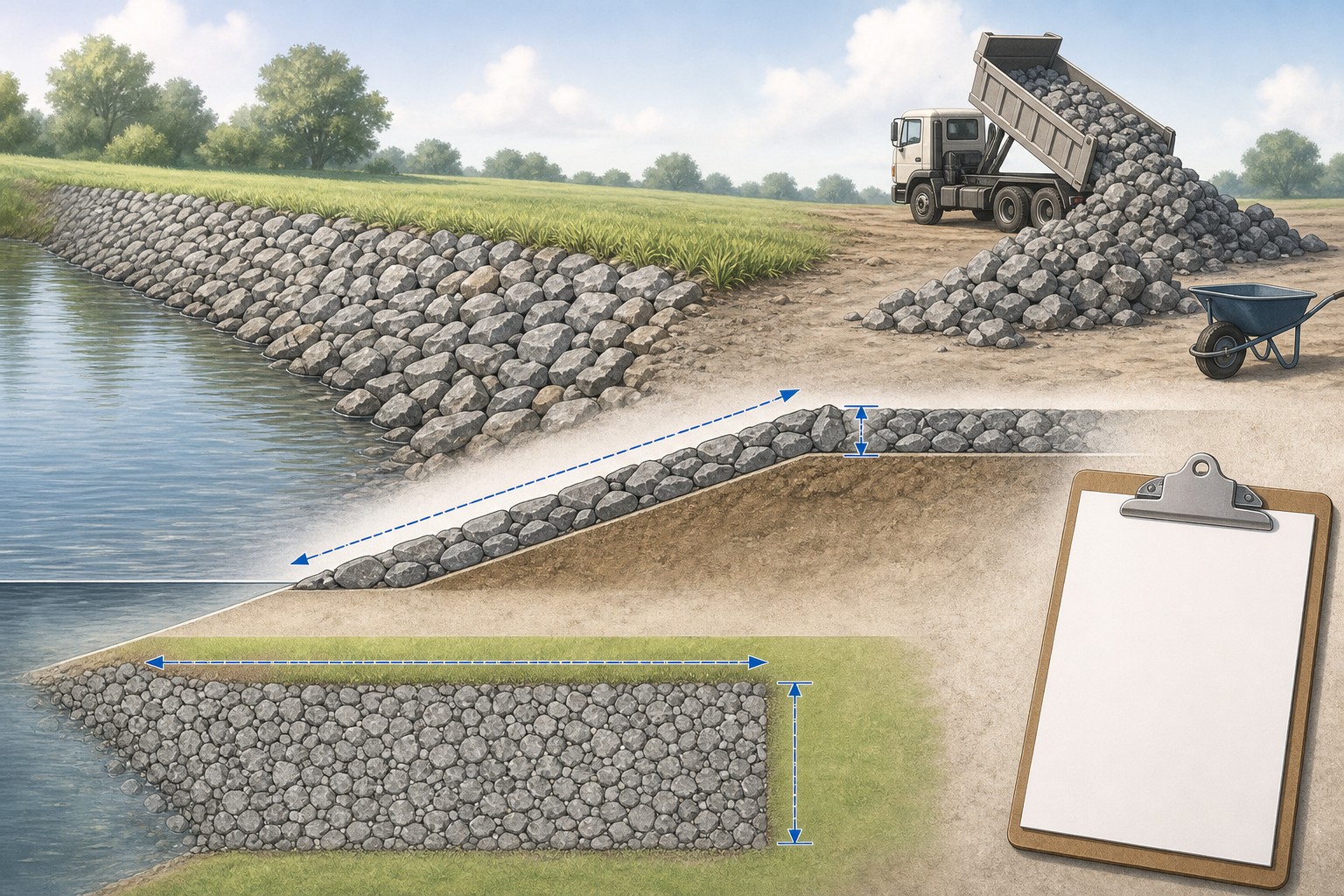
Riprap slows water flow and prevents soil erosion on slopes, embankments, and shorelines by dissipating the energy of moving water across an irregular rock surface. Correct placement depth and stone size matter as much as total volume, since undersized stone on a steep or high flow slope can shift or wash out over time, defeating the purpose of the installation.
For slope work, measure the length along the slope face and the height (or width) of the area being protected to get the true surface area rather than the flat footprint, then apply the recommended thickness for your chosen class.
Do I Need Filter Fabric Under Riprap?
Yes, in most applications. Filter fabric (geotextile) sits between the soil and the riprap layer, preventing underlying soil from migrating up through the gaps in the rock over time. Skipping fabric is a common cause of riprap installations settling or losing effectiveness years after installation, even when the rock itself remains in place.
Fabric is sized to the project footprint plus an overlap allowance where sheets meet, so this calculator adds about 10% to the area when you turn filter fabric on.
Riprap Waste Allowance
A small waste allowance covers uneven subgrade, stones that do not nest perfectly, and losses during placement. Add about 5% for straightforward, uniform slopes and around 10% for irregular slopes or channel and ditch shapes where the rock has to conform to varying cross sections. You can override the waste percentage for your specific site conditions.